
A Guide to Caring for Your SILVERSHARK Carbon Steel Knife
August 18, 2026
The importance of a sharp knife
A sharp edge is not only crucial for efficiency and safety – a dull knife can slip off your food and injure you, and significantly slow down the prepping process. But it is also important for ensuring your food will look and taste better, and stay fresh for longer. Dull edges are very destructive to the cell structure of your food since they tend to bruise more than cut, which leads to quicker oxidation and loss of moisture. For example, your greens will turn brown quicker, your onions will make you cry more, and your tomatoes will be more mushy.
How to tell if a knife is dull?
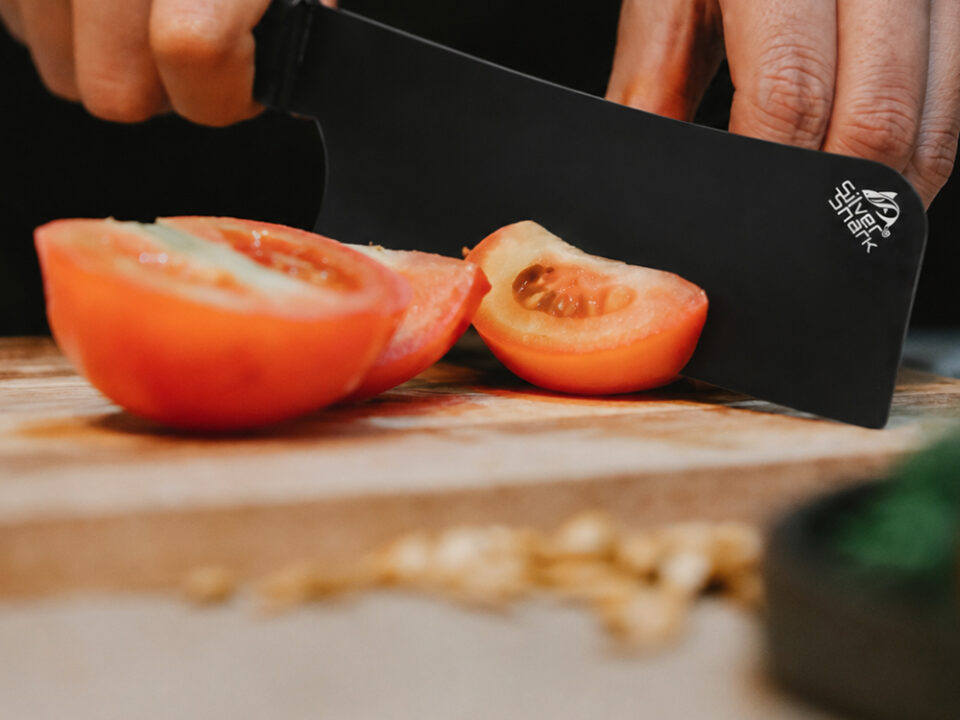
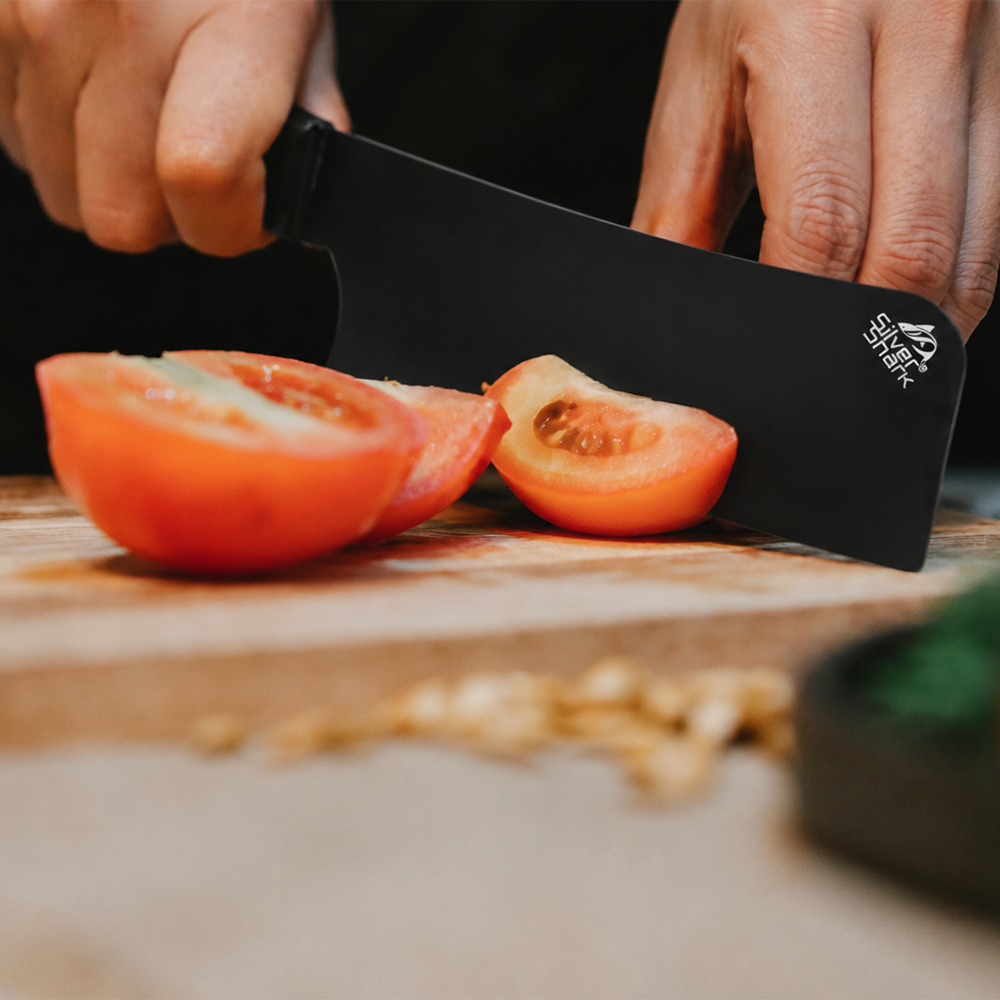
Sometimes cliches are true and the best way to test sharpness is with a ripe tomato – if you find your knife is sliding on smooth skinned items such as tomatoes or bell peppers then it is time to refresh your edge. You might have seen us test our freshly sharpened edges by either cutting paper or shaving hair off our arms…neither one is necessary at home and food is always the ultimate test.
How do I restore my edge?
The best way to keep a knife sharp is to not let it get dull in the first place – hone your edge while still sharp and you can avoid sharpening for a long time. The more maintenance you can perform at home means that you can can use finer abrasives which leads to less steel removal over time and ensures that your knife can last a lifetime for a home cook (or 8-10 years as a professional) The only thing which ages a knife is steel removal – meaning a 100 year old knife that has been sharpened 1 time is in better shape than a 1 year old knife that has been sharpened 100 times. For that reason avoid aggressive sharpening methods such as coarse stones or grinding wheels (which can also draw the temper from your blade and soften the steel if not used properly), and any gadgets such as draw through sharpeners which leave a very poor edge which needs to be resharpened almost immediately.